



News

Jenny Flores
Organized by CIEMAT and AECID, with the support of CYTED, ResINFRA Plus, and RedCLARA, the event brought together experts from over 20 countries to explore how this new way of conducting science can transform collaboration and access to knowledge.

Ixchel Pérez
At the EU-LAC Digital Alliance High-Level Dialogue on Artificial Intelligence and Platform Governance in São Paulo, Brazil, RedCLARA presented the progress of the BELLA II project, with a particular focus on the implementation of its High-Performance Computing (HPC) testbed.
Jenny Flores
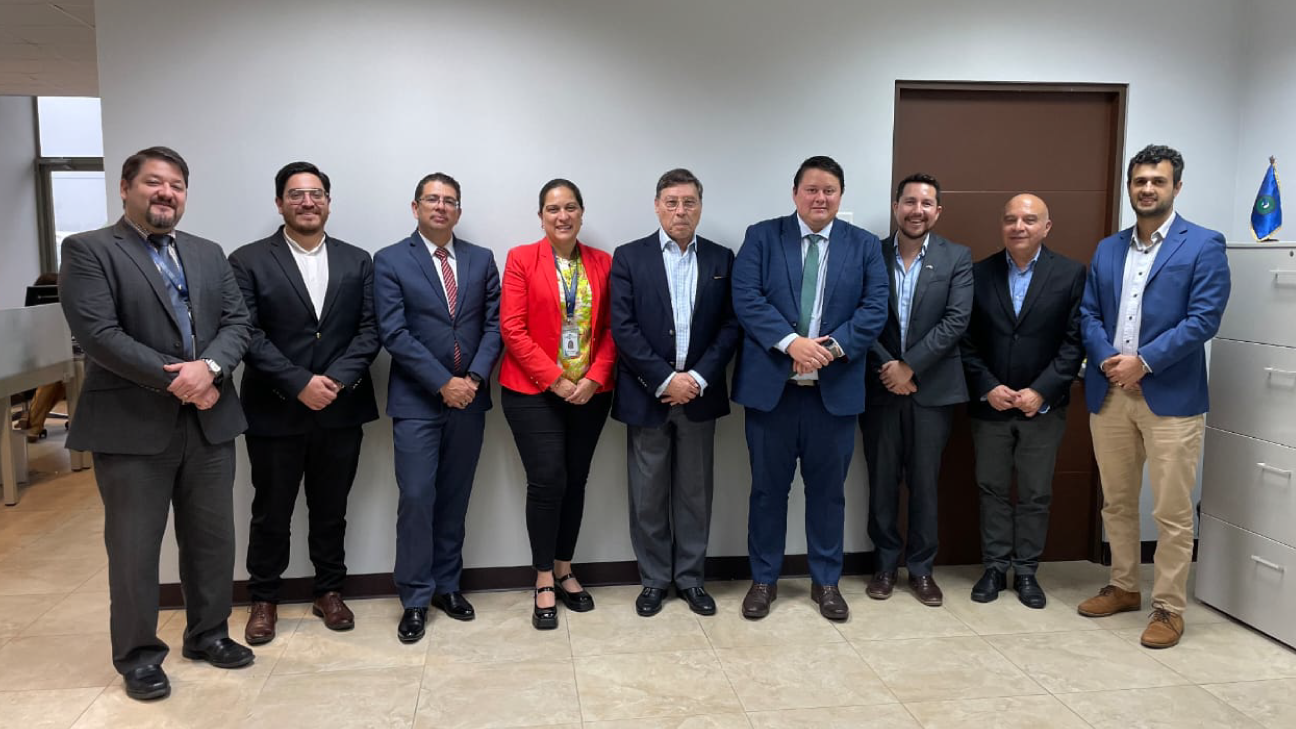
As part of the strategic actions of the BELLA II project, representatives from RedCLARA carried out a mission to Costa Rica aimed at strengthening alliances that support the country’s integration into the regional digital ecosystem and enhance its contribution to digital transformation processes in Latin America and the Caribbean.
Ixchel Pérez
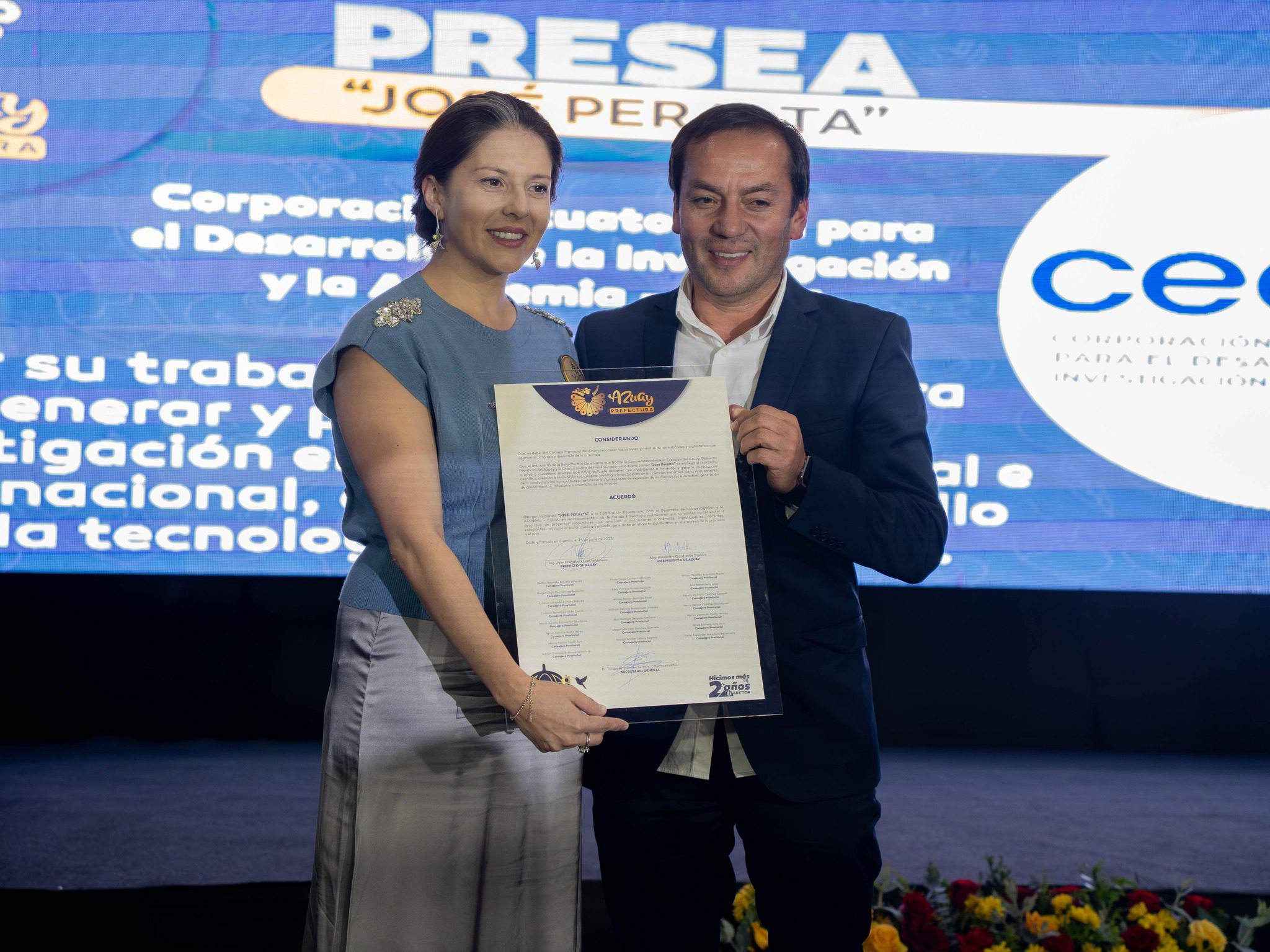
Ecuador’s National Research and Education Network (NREN), CEDIA, has been awarded the José Peralta Medal, a prestigious distinction granted by the Prefecture of Azuay to individuals and institutions that make significant contributions to the development of the province and the country.

Jenny Flores
From June 8 to 12, Bogotá, Colombia, hosted the 10th Latin American and Caribbean Conference on Social Sciences, organized by the Latin American Council of Social Sciences (CLACSO). This academic and political gathering, recognized as one of the region’s most important, brought together researchers, activists, and leaders from diverse areas.
Ixchel Pérez
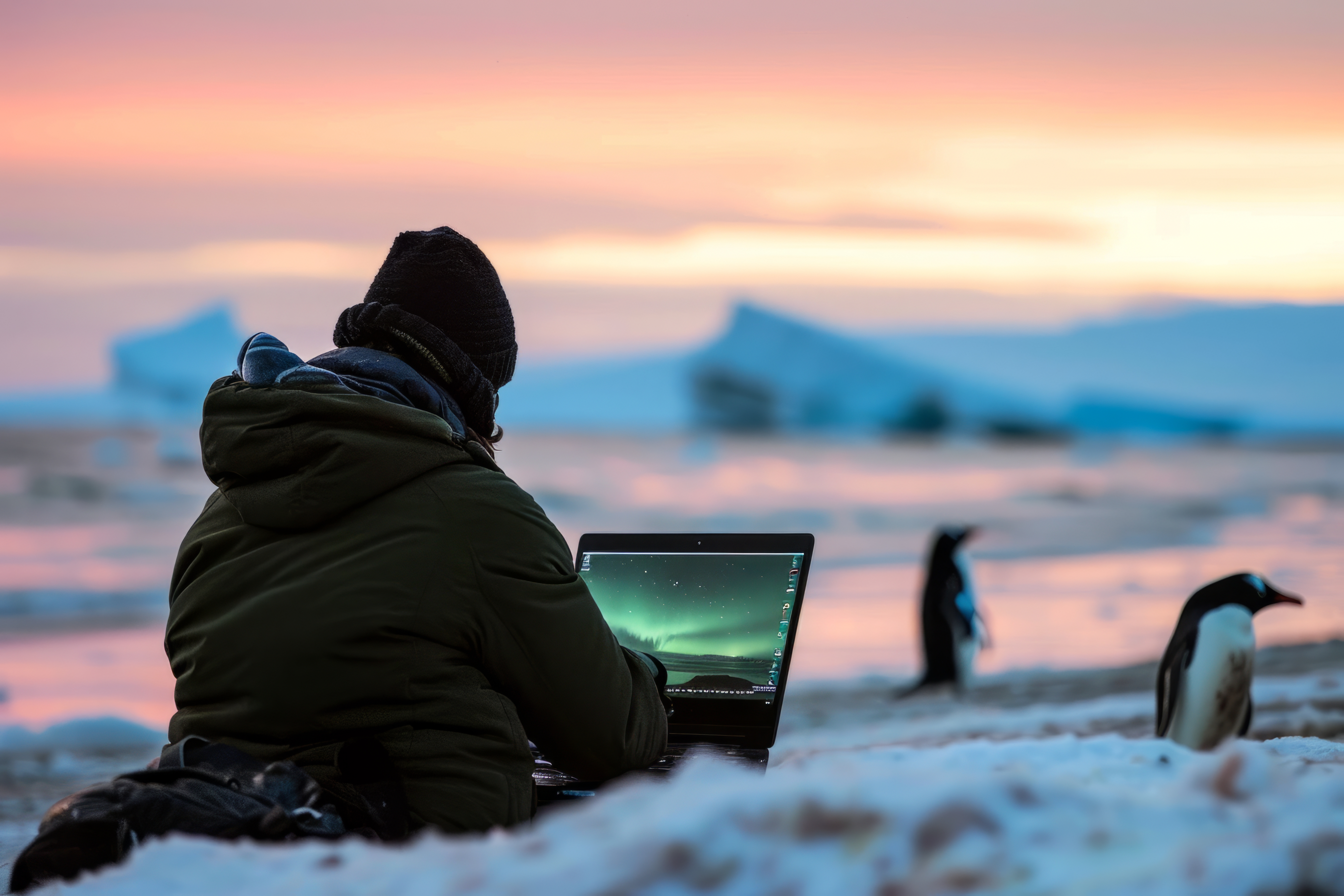
Illustrative image. The Antarctic Cable project aims to deliver high-capacity connectivity to scientific bases.
The seminar “Antarctic Cable: Connecting the Last Frontier” took place in Punta Arenas and brought together a diverse range of participants from across sectors. The event served as a key platform to explore the progress, challenges, and opportunities of the pioneering project that seeks to establish the first submarine fibre-optic connection between South America and Antarctica.