



News
María José López Pourailly

Memorandum of Understanding strengthens a collaboration that connects Brazilian researchers to an international infrastructure to study new architectures for a more secure and resilient internet.
María José López Pourailly

The initiative, funded by the European Union (EU) and coordinated by EPOS ERIC, will bring together 14 institutions from Europe, the Americas, Africa and Oceania over a period of 30 months to develop a global roadmap enabling the interoperability of infrastructure, data and services in Earth sciences. As the consortium’s only pan-regional organisation of advanced research and education networks, RedCLARA will play a key role in linking Latin America and the Caribbean to this international effort.
María José López Pourailly
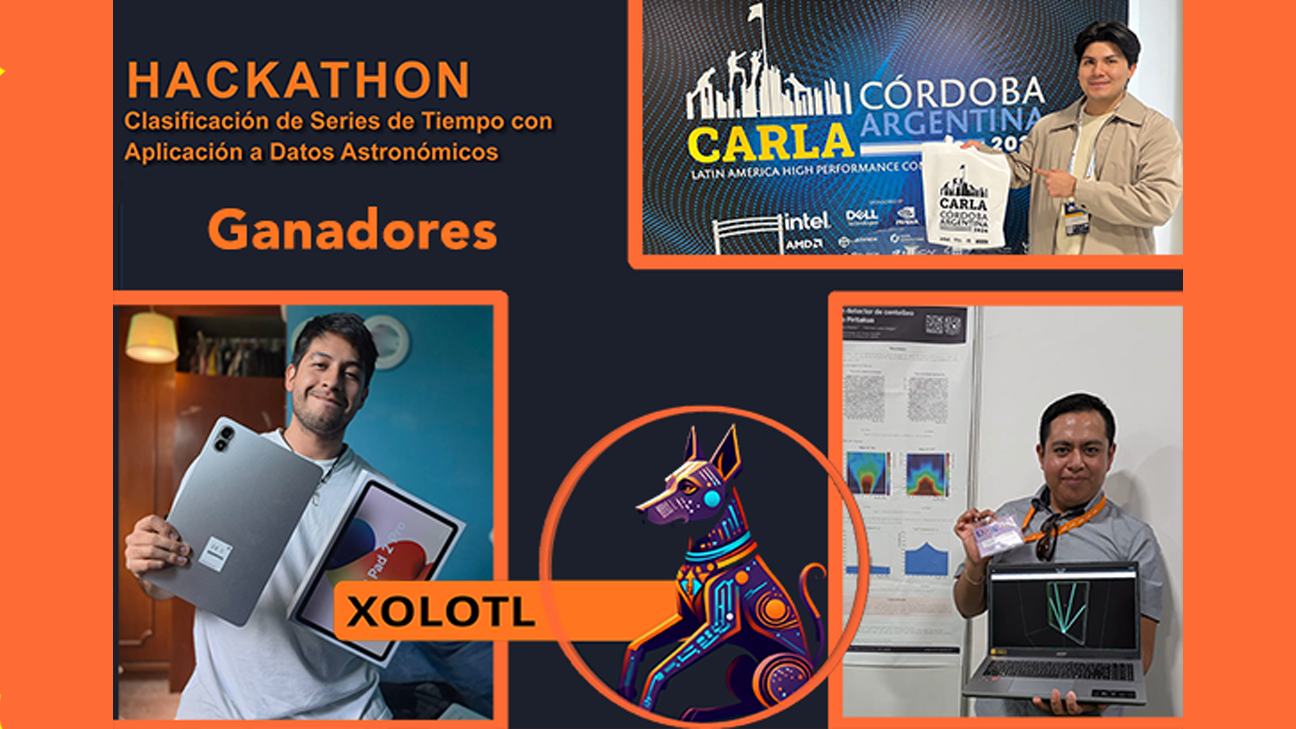
The supercomputing community of the University Corporation for Internet Development (CUDI), together with the UNAM Models and Data Laboratory (LAMOD-UNAM) and the Platform for GPU Research (PIG), announced the winners of the Xolotl Hackathon: Time Series Classification with Applications to Astronomical Data, an initiative that brought together students, researchers and data science enthusiasts to develop computational models for the analysis of astronomical data.
María José López Pourailly
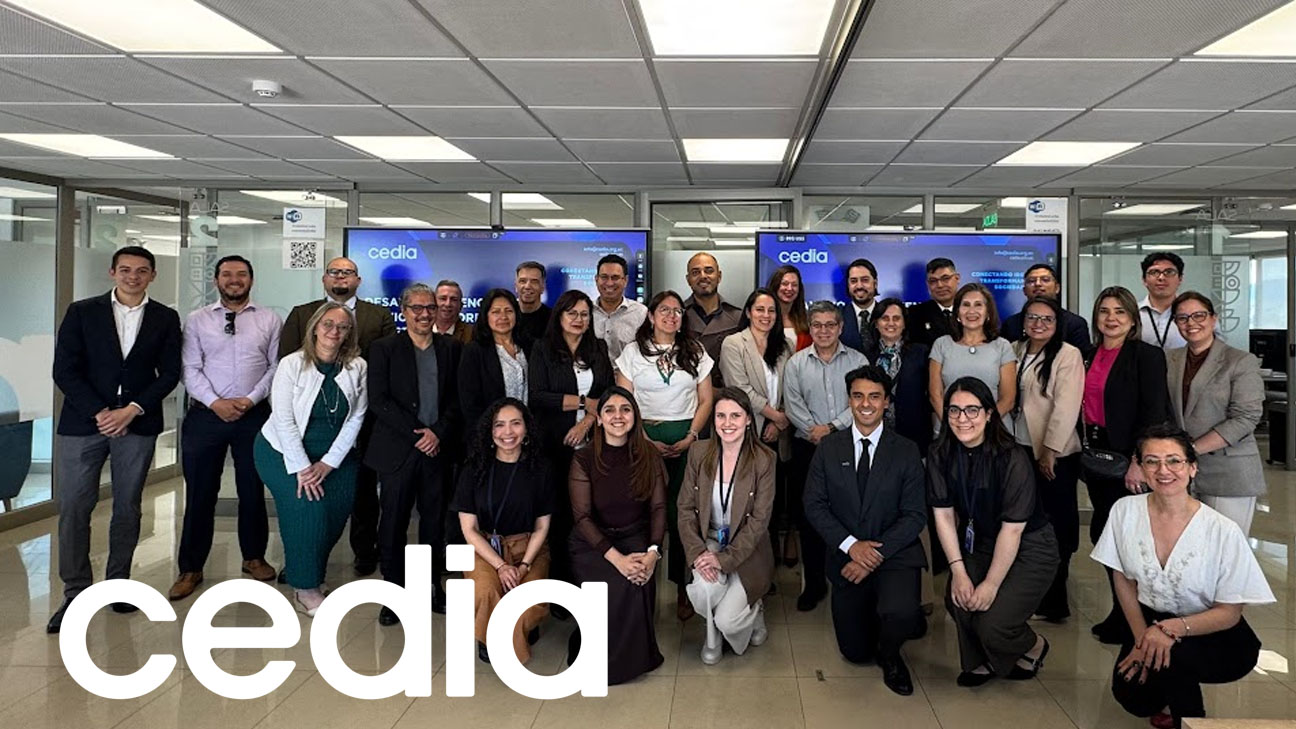
Vice-chancellors and research officials from the country’s higher education institutions took part in two days of workshops to identify common needs and lay the foundations for solutions that will strengthen the management of R&D&I.
María José López Pourailly
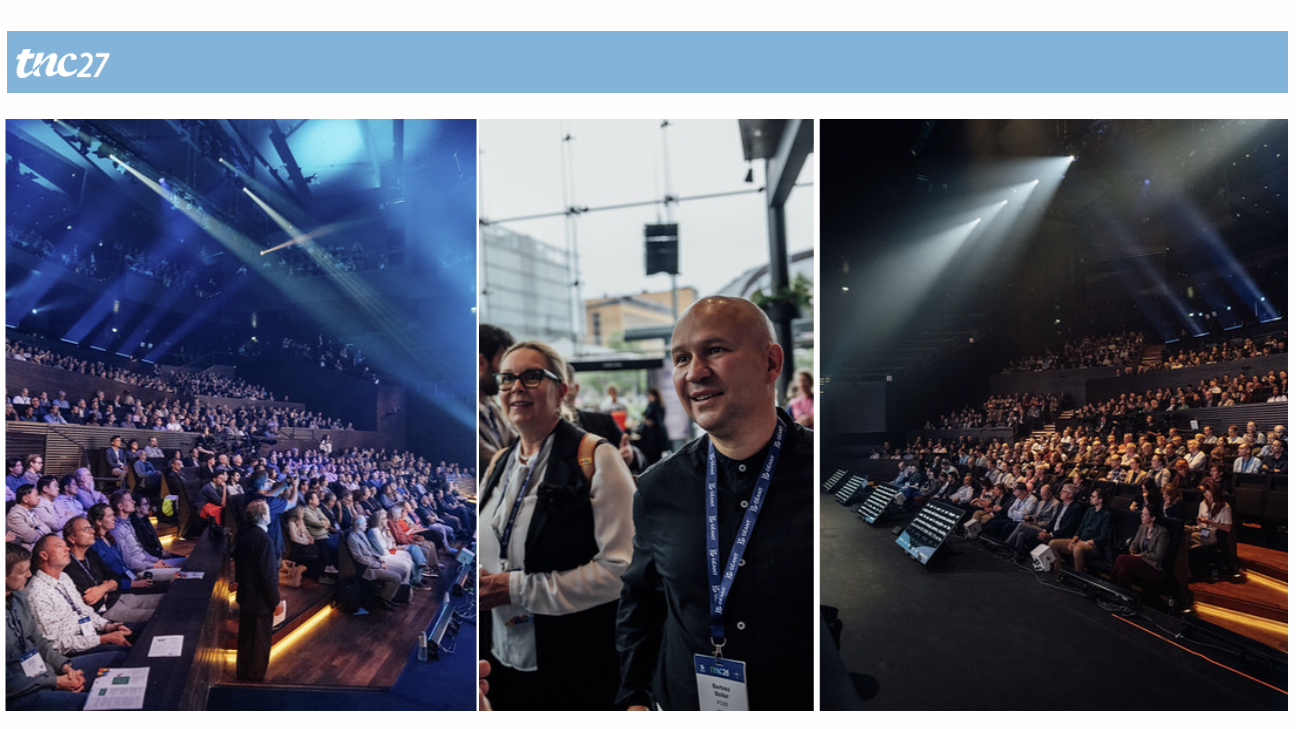
The major annual event organised by GÉANT – the pan-European academic network – and one of the world’s leading gatherings of the advanced research and education communities, has opened its call for proposals for talks and parallel sessions for TNC27. Taking place from 7 to 11 June 2027 in Liège, Belgium, this edition of the conference is co-organised by Belnet and Restena, the National Research and Education Networks of Belgium and Luxembourg, respectively. Applications for presentations and side events will remain open until 26 November 2026.
María José López Pourailly
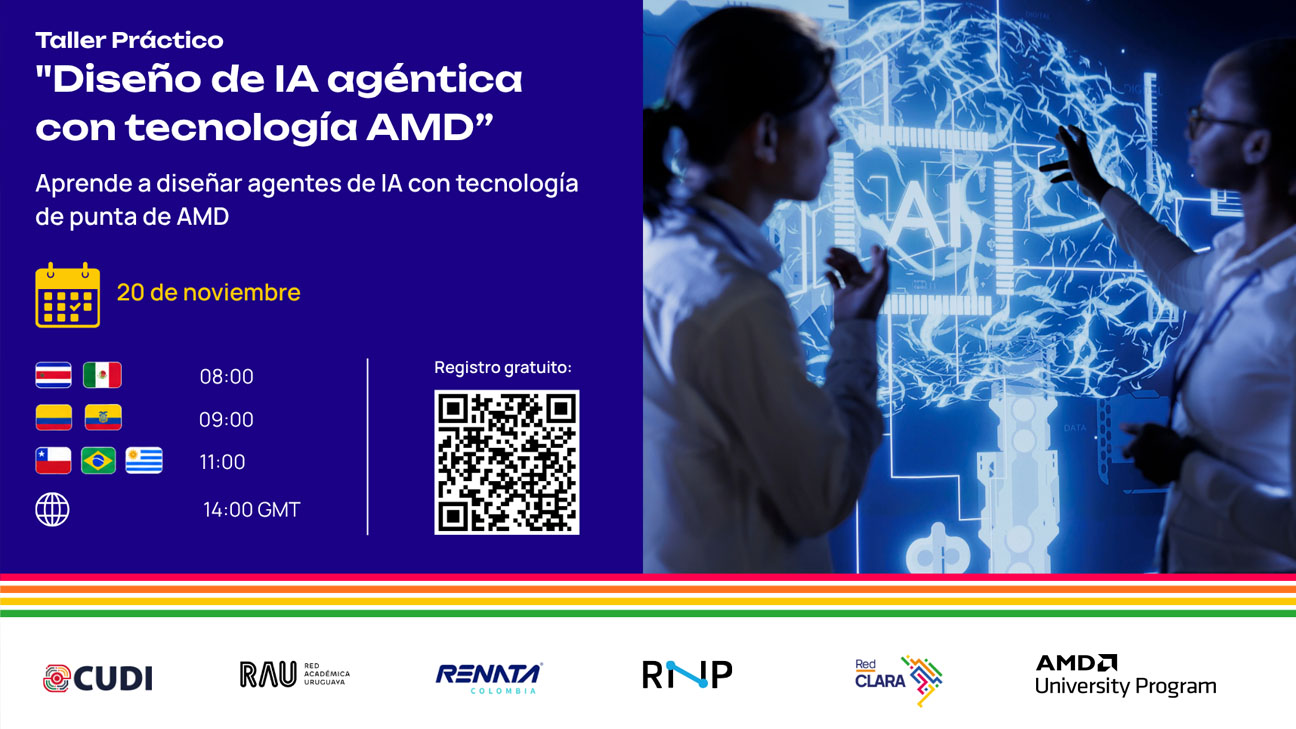
On 20 November, researchers, students, academics and developers from member institutions of the National Research and Education Networks (RNIE) in Latin America will have free access to a practical training session to learn how to design artificial intelligence agents using state-of-the-art AMD technologies.