



Cases & Voices

The National Academic Network of Advanced Technology of Colombia, RENATA, provided the collaboration tools, as well as the support and technical follow up that allowed the evaluation of the proposals of the Mincienciatón in its country. The initiative led by the country's Ministry of Science, Technology and Innovation, managed to mobilize the presentation of 531 proposals of which 401 were filed, all aimed at providing forceful solutions to deal with the coronavirus and presented by researchers, innovators, scientists and academics.
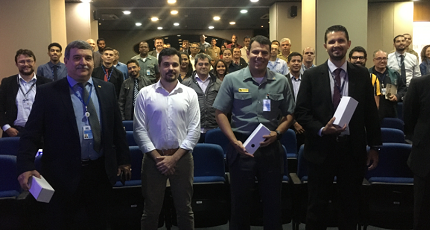
The work of Brazil's national research and education network, RNP, was, during 2019, a good example of how advanced networks can benefit their countries in areas such as Health, Culture, Agriculture and Defense. Over the past year, RNP has provided remote connectivity and collaboration services for research groups in these areas, allowing for the integration and dissemination of knowledge.
María José López Pourailly

The suspension of classes, as a result of the health emergency, forced Chilean universities to accelerate their digitization processes and the incorporation of videoconferencing platforms, to ease administrative meetings and online classes for their communities.
María José López Pourailly

The experience of configuring its own identity provider, connected to its Active Directory and without the need for additional installing, opened the doors of the federated services to the Costa Rican academic network and its users, an experience of access to services without entry barriers and greater ease and convenience of use.
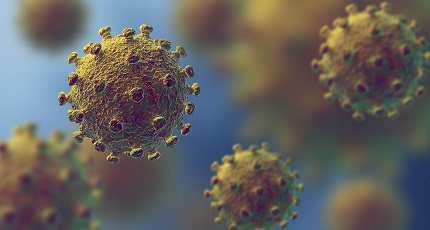
National Research and Education (R&E) Networks (also known as NRENs) together provide critical communications infrastructure for universities and research institutes worldwide. This global network of interconnected networks is boosting international capacity where needed as part of the global rapid response to the recent novel coronavirus disease (COVID-19) outbreak.
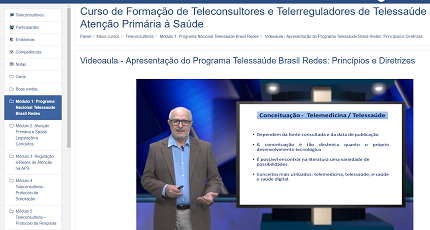
The work of Brazil's national research and education network, RNP, was, during 2019, a good example of how advanced networks can benefit their countries in areas such as Health and Culture. Over the past year, RNP has provided remote connectivity and collaboration services for research groups in both areas, allowing for the integration and dissemination of knowledge.