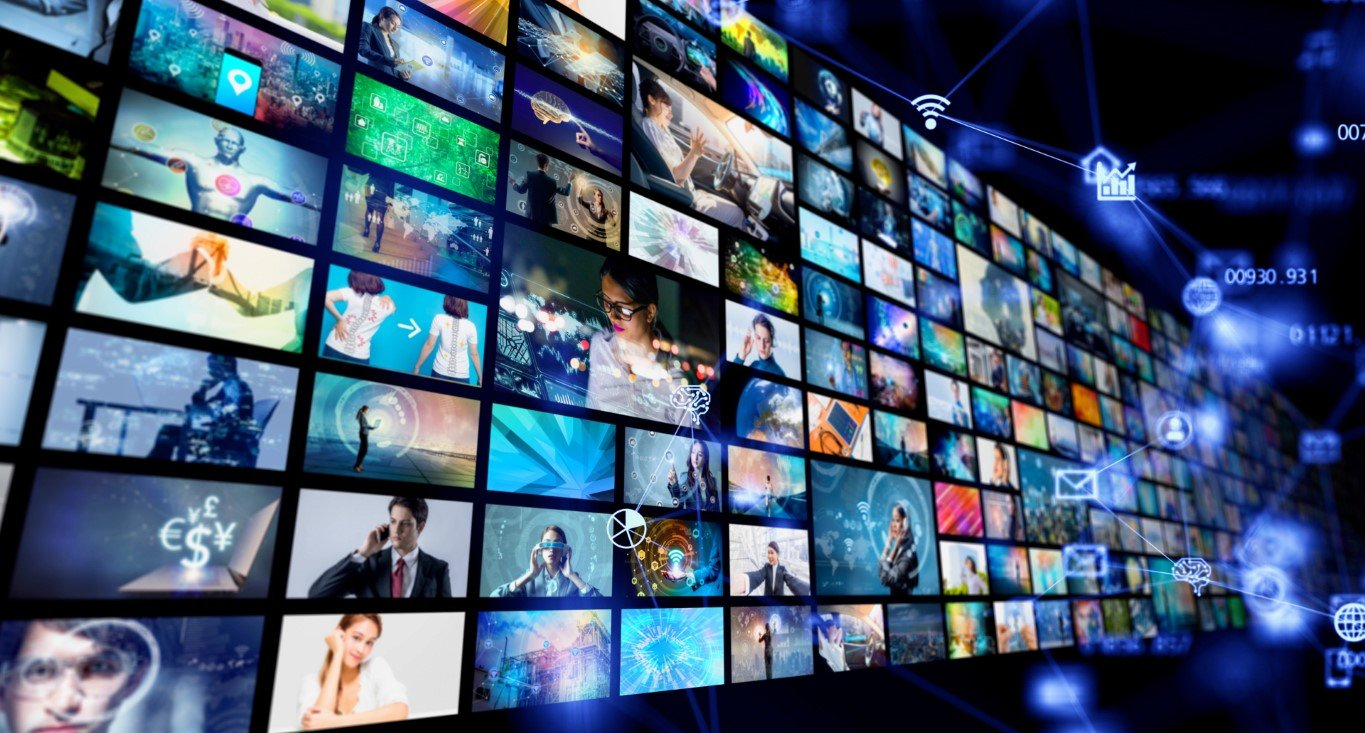
In early June, the Ministry of Education (MEC) and the Brazilian National Research and Education Network, RNP, launched Eduplay, a university platform for audiovisual content. What is so present in our lives today, streaming audio and video for study, work and entertainment activities, began to be developed almost 20 years ago by the scientific community, at a time when YouTube did not exist.
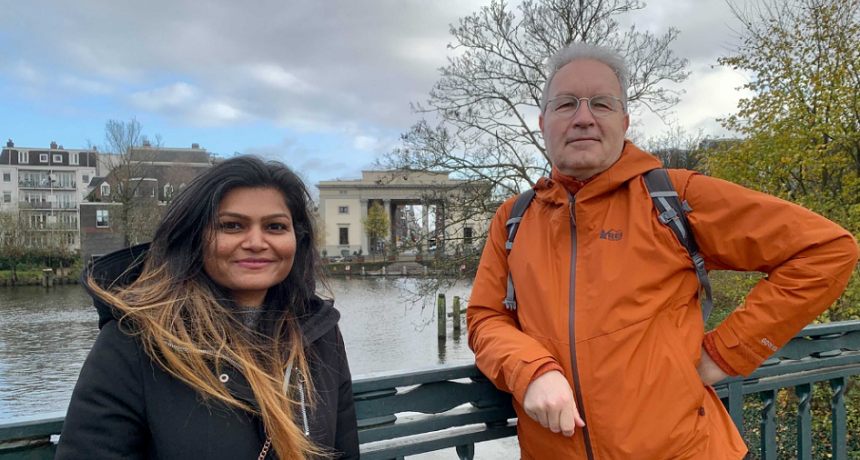
It’s more important than ever for national research and education networks (NRENs) to connect. The CEOs of CANARIE, Internet2, and RedCLARA had a common goal to work closely together and to highlight the research and education enabled by our network infrastructure and shared expertise across the Americas. With that goal in mind, a team of staff from all three organizations committed to regular meetings to explore what we do, who we support, and how we can better share our NRENs’ efforts.

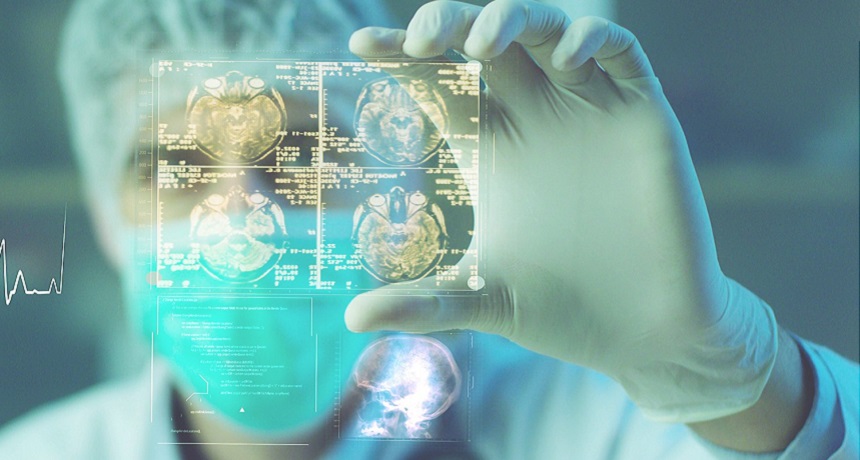
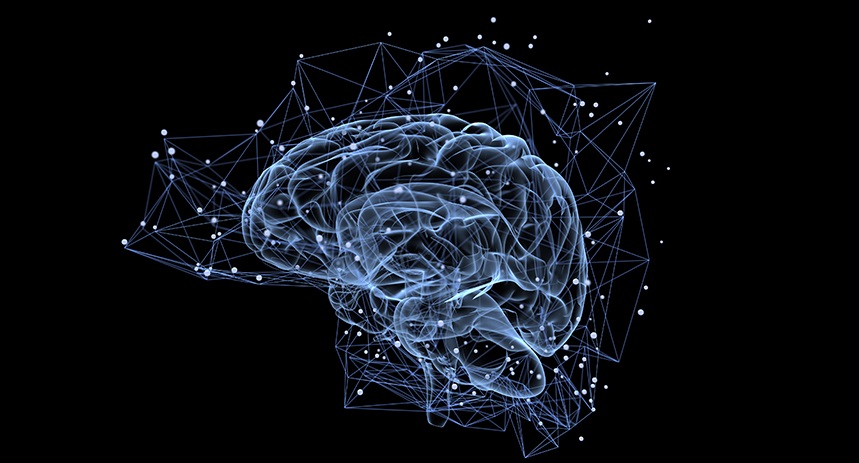
The TICAL Conference and the Latin American e-Science Meeting (August 30 to September 2, online) announced at the beginning of May the name of the Polish Pawel Świeboda as one of its main panelists. His nationality already sounds “different” to the Latin American public (it is the first time that the events will have a panelist from Poland) and his work area even more so: Świeboda is the General Director of the Human Brain Project (HBP), one of the world's largest research initiatives in the area of brain sciences. But… what does the human brain have to do with the research and education efforts promoted by NRENs and universities? The answer is... everything. And this is what you will read from now on in Cases and Voices.

Rambla República de México 6125.
Montevideo 11400. Uruguay.

Running Projects